
PracticeERP Product Overview for CPA Firms
Accounting Firm Management Software: Comprehensive PracticeERP Product Overview for CPA Firms
By PracticeERP Team, PracticeERP
In the competitive landscape of accounting, CPA firms require robust management software to streamline operations and enhance client service. PracticeERP emerges as a leading solution tailored specifically for CPA firms, offering a comprehensive suite of features designed to improve efficiency and productivity. This article delves into the core functionalities of PracticeERP, highlighting its benefits, key features, and how it supports CPA firms in achieving operational excellence. As firms face challenges such as manual processes and data management, PracticeERP provides a solution that integrates workflow automation and real-time data analytics. We will explore the various aspects of PracticeERP, including its key features, benefits, and support mechanisms for CPA firms.
Overview of PracticeERP for CPA Firms
PracticeERP is a specialized management software designed to meet the unique needs of CPA firms. It serves as a centralized platform that integrates various functions such as client management, billing, and workflow automation. By leveraging PracticeERP, CPA firms can enhance their operational efficiency, reduce manual errors, and improve client satisfaction. The software’s user-friendly interface and robust capabilities make it an essential tool for firms looking to optimize their processes and focus on delivering high-quality services to their clients.
Key Features:
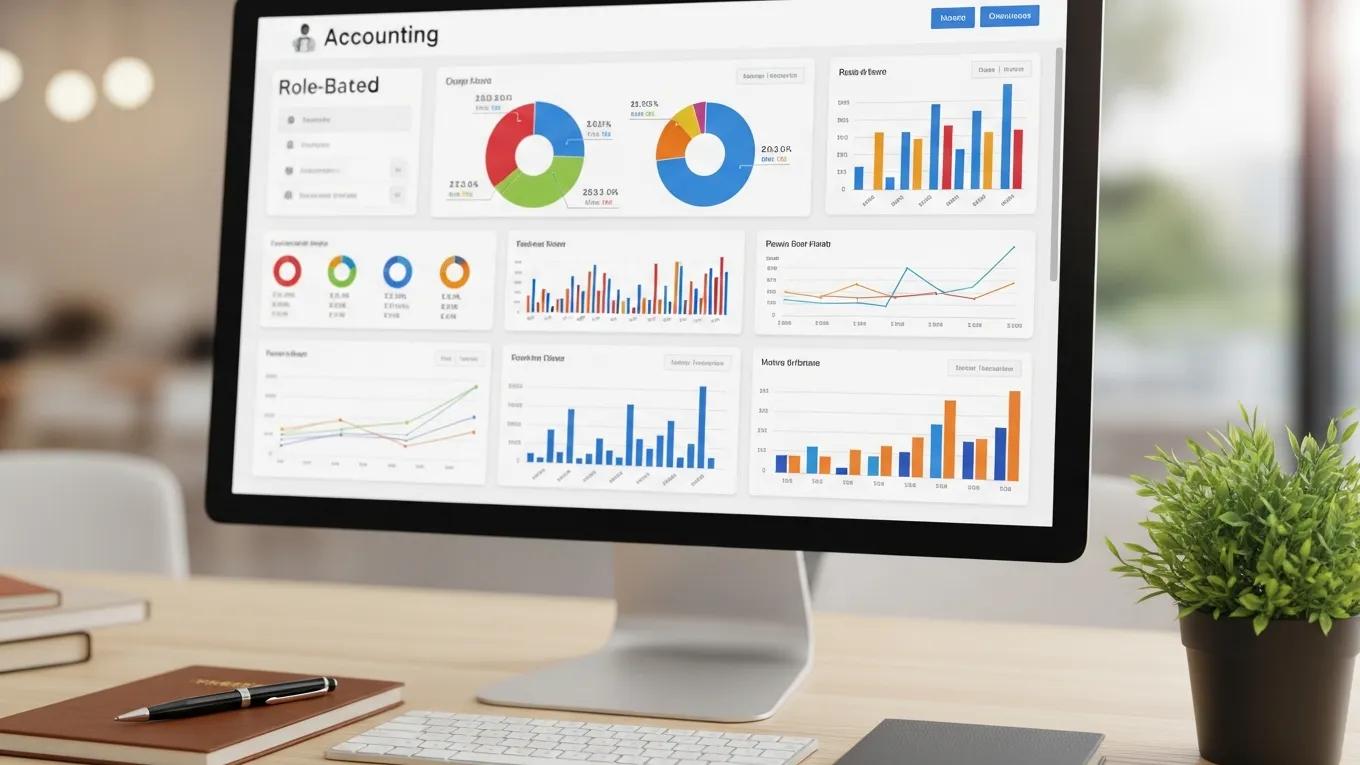
PracticeERP offers a range of features that cater specifically to the needs of CPA firms. These features include:
- Centralized Management: All client data and project information are stored in one place, allowing for easy access and management.
- Role-Based Dashboards: Users can customize their dashboards based on their roles, ensuring that relevant information is readily available.
- Automation Capabilities: Routine tasks such as billing and reporting can be automated, freeing up time for more strategic activities.
These features collectively enhance the operational capabilities of CPA firms, allowing them to focus on strategic growth and client engagement.
Benefits:
Utilizing PracticeERP provides numerous benefits for CPA firms, including:
- Increased Efficiency: By automating routine tasks, firms can allocate resources more effectively and reduce time spent on administrative work.
- Improved Productivity: With streamlined processes, employees can focus on higher-value tasks, leading to better service delivery.
- Cost Savings: Automation and improved workflows can lead to significant cost reductions over time.
The integration of these benefits positions PracticeERP as a vital tool for CPA firms aiming to enhance their operational performance.
Support for CPA Firms:
PracticeERP is committed to providing comprehensive support for CPA firms. This includes:
- Training and Onboarding: New users receive thorough training to ensure they can effectively utilize the software.
- Ongoing Support: Dedicated support teams are available to assist with any issues or questions that may arise.
- Continuous Improvement: Regular updates and enhancements are made to the software based on user feedback and industry trends.
This level of support ensures that CPA firms can maximize their investment in PracticeERP and continuously improve their operations.
What Are the Key Features of PracticeERP for CPA Firm Software Solutions?
PracticeERP encompasses several key software solutions tailored for CPA firms, including:
- Client Relationship Management (CRM): This feature helps firms manage client interactions and data effectively.
- Project Monitoring: Firms can track project progress and deadlines, ensuring timely delivery of services.
- Automated Task Management: Routine tasks are automated, reducing the burden on staff and minimizing errors.
These solutions are designed to enhance the overall management of CPA firms, making it easier to deliver high-quality services to clients.
The strategic application of CRM systems, as highlighted by research, is fundamental for fostering client loyalty and driving profitability within accounting firms.
CRM Benefits for Accounting Firms: Client Loyalty & Profitability
The concept of CRM (Customer Relationship Management) will be presented as a comprehensive business philosophy that enables the improvement of the relationship between the provider and the user of accounting services. CRM systems are a synthesis of software and business philosophy that focus on the specific customer requirements. Recognizing the benefits offered by these systems allows accounting service providers to obtain relevant information about their clients’ characteristics. This allows to offer added value to the services, increasing the loyalty of existing customers, it also enables opportunity to develop a strategy to attract new customers, which could ultimately result in increasing the profitability of companies that provide accounting services.
Benefits of using CRM (Customer Relationship Management) by Accounting Services Providers, 2021
How Does Workflow Automation Streamline CPA Firm Operations?

Workflow automation is a critical component of PracticeERP that significantly streamlines CPA firm operations. By eliminating manual tasks, firms can achieve:
- Time Savings: Automation reduces the time spent on repetitive tasks, allowing staff to focus on more strategic initiatives.
- Cost Reductions: With fewer manual processes, firms can lower operational costs and improve profitability.
- Enhanced Accuracy: Automation minimizes the risk of human error, leading to more reliable outcomes.
This transformation in workflow management is essential for CPA firms looking to enhance their operational efficiency.
Indeed, the strategic implementation of automated workflows is widely recognized for its ability to drive efficiency and accuracy in financial reporting.
Automated Workflows for Efficient Financial Reporting
Automated workflows also allow for automated processes to operate with the scale and speed required for modern business operations. This helps companies maintain accurate records of their financial transactions.
Automation in financial reporting: A conceptual framework for efficiency and accuracy in US corporations, OB Alao, 2024
What Client Management and Billing Tools Does PracticeERP Offer?
PracticeERP provides a suite of client management and billing tools designed to improve the client experience and streamline financial processes. Key tools include:
- Improved Onboarding: New clients can be onboarded quickly and efficiently, enhancing satisfaction from the start.
- Automated Billing Processes: Billing is streamlined through automation, reducing the time spent on invoicing and collections.
- Online Payment Options: Clients can make payments online, improving cash flow and convenience.
These tools are integral to enhancing client relationships and ensuring timely financial management.
How Does PracticeERP Improve Operational Efficiency in Accounting Practice Management Tools?
PracticeERP enhances operational efficiency through its all-in-one management suite, which includes:
- Role-Based Dashboards: These dashboards provide users with relevant information tailored to their specific roles, improving focus and productivity.
- Real-Time Data Insights: Access to real-time data allows firms to make informed decisions quickly, enhancing responsiveness to client needs.
By integrating these features, PracticeERP supports CPA firms in achieving greater operational efficiency.
In What Ways Does Real-Time Data Enhance CPA Firm Decision-Making?
Real-time data plays a crucial role in enhancing decision-making for CPA firms. Key advantages include:
- Immediate Access to Metrics: Firms can access critical performance metrics in real-time, enabling swift adjustments to strategies.
- Data-Driven Decisions: With accurate data at their fingertips, firms can make informed decisions that positively impact their operations.
- Improved Efficiency: Real-time insights lead to quicker responses to client inquiries and operational challenges.
This capability is essential for CPA firms aiming to stay competitive in a fast-paced environment.
How Does PracticeERP Support Scalability for Growing CPA Firms?
As CPA firms grow, scalability becomes a critical factor in their success. PracticeERP supports scalability through:
- Centralized Operations: A unified platform allows firms to manage multiple clients and projects seamlessly.
- Standardized Processes: Consistent processes ensure that as firms grow, they can maintain quality and efficiency.
- Cost Efficiency: Scalable solutions help firms manage costs effectively while expanding their service offerings.
This support is vital for CPA firms looking to grow sustainably and efficiently.
What Are the Integration Capabilities and Reporting Features of PracticeERP?
PracticeERP offers robust integration capabilities and reporting features that enhance its functionality. Key aspects include:
- Unified Platform: The software integrates with various tools and systems, providing a seamless experience for users.
- Comprehensive Reporting: Firms can generate detailed reports that provide insights into performance and client engagement.
- Seamless Data Flow: Data can be easily transferred between systems, reducing the risk of errors and improving efficiency.
- Open API: PracticeERP features an open API, enabling endless possibilities for customization and integration with other software solutions.
These features ensure that CPA firms can leverage PracticeERP to its fullest potential.
How Can CPA Firms Access PracticeERP Pricing, Demos, and Support?
CPA firms interested in PracticeERP can access pricing, demos, and support through the following methods:
- Requesting a Demo: Firms can schedule a demo to see the software in action and understand its capabilities.
- Contact Methods: Various contact methods are available for inquiries, ensuring firms can easily reach out for information.
- Self-Assessment Tools: Tools are provided to help firms assess their needs and determine how PracticeERP can best serve them.
This accessibility ensures that CPA firms can make informed decisions about adopting PracticeERP for their management needs.
Leave a Reply