
Unlock Efficiency With Cloud Accounting Software for CPA Firms
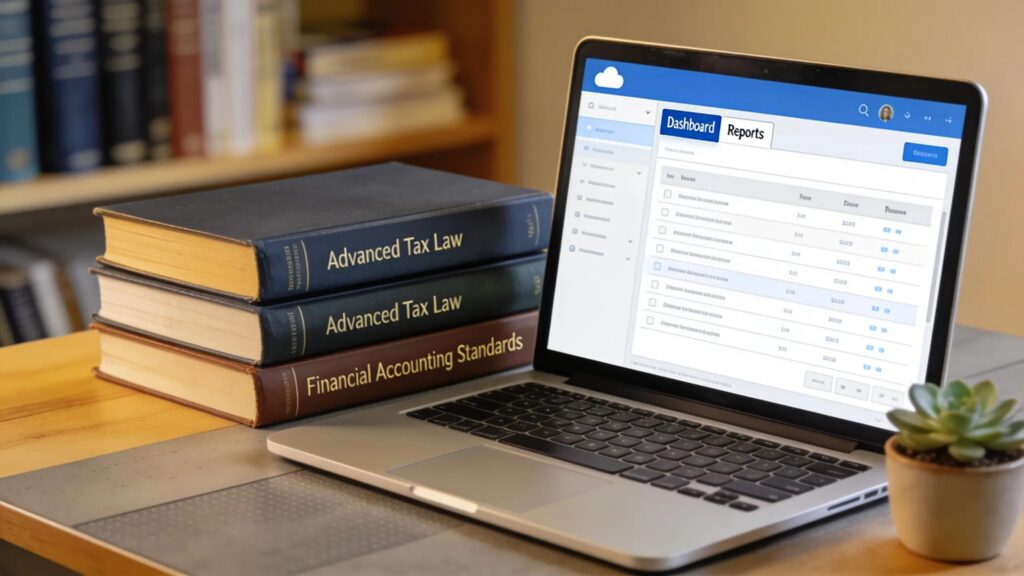
In the ever-evolving landscape of accounting, cloud-based CPA management software offers a transformative approach to enhancing efficiency and streamlining operations. Rather than being confined to traditional, on-premise systems, CPA firms can now capitalize on the flexibility, accessibility, and security offered by cloud solutions. This article explores how cloud-based CPA management software unlocks new levels of productivity while addressing common challenges firms face. You will learn about the key features, advantages, and specific functionalities that enhance workflow automation and client communication. Enhanced efficiency, effective billing, and secure document management are some of the main topics we will delve into, providing insight into how such software can significantly impact a CPA firm’s success.
Features
Cloud-based CPA management software offers a suite of features specifically designed to streamline financial processes and enhance operational effectiveness. Among the standout capabilities are:
- Automation of Repetitive Tasks: By automating routine tasks, such as data entry and reporting, firms can focus on higher-value activities.
- Real-Time Data Access: Users can access necessary information instantly from any location, ensuring that decision-making is informed and timely.
- Anywhere, Anytime Access: The cloud facilitates seamless access to financial data and applications, promoting collaboration among team members.
- Scalability: As a CPA firm grows, its management software can easily adjust to accommodate new users and expanding data requirements.
- Enhanced Security: Advanced security protocols protect sensitive financial information from unauthorized access and cyber threats.
- Integrated CRM Tools: These tools facilitate efficient client management, streamlining communication and enhancing customer relationships.
Incorporating cloud-based CPA software can significantly optimize a firm’s operations while providing a competitive edge.
Advantages
The advantages of utilizing cloud-based CPA management software are numerous, with significant implications for efficiency, accuracy, and overall client satisfaction.
- Increased Efficiency: With tasks automated and real-time access to data, firms can operate more efficiently, resulting in faster service delivery.
- Improved Accuracy: Automating processes reduces the likelihood of human error, enhancing data integrity and trust in the information presented.
- Cost Savings: Cloud solutions often reduce infrastructure costs and minimize the need for local server maintenance, leading to significant savings over time.
- Better Client Service: Enhanced communication tools ensure that clients receive timely updates and support, driving higher satisfaction rates.
Following these insights, firms looking to explore the benefits of cloud CPA software further can reach out to PracticeERP for demonstrations and consultations.
Challenges
While the benefits are substantial, there are challenges associated with the adoption of cloud-based solutions. CPA firms may encounter:
- Implementation Costs: The initial investment in software and training can be a hurdle, especially for smaller firms.
- Learning Curve: Staff may require time to become proficient with new systems, which can temporarily disrupt workflow.
- Data Security Risks: Concerns regarding the safety of sensitive financial information stored in the cloud can be a point of contention for some firms.
- Ongoing Maintenance: Keeping the software updated and ensuring data accuracy requires continuous attention and effort.
Navigating these challenges is essential for capitalizing on the benefits of cloud technologies.
How Does Cloud-Based CPA Management Software Enhance Workflow Automation?
Cloud-based CPA management software fundamentally transforms workflow automation, making day-to-day operations smoother and more efficient. Firms report that integrating these solutions results in faster processing times and greater overall productivity.
What Are Key Features of CPA Firm Workflow Automation?
Key features such as automated invoicing, real-time collaboration tools, and integrated client management functionalities enhance workflow automation significantly. For instance, automating invoicing not only minimizes errors but also ensures timely billing. Additionally, real-time collaboration tools allow team members to work together, regardless of location, effectively keeping projects on track.
How Does Automation Reduce Manual Workload in CPA Practices?
Automation in CPA practices leads to a marked reduction in manual workloads. By eliminating repetitive tasks, such as data entry and transaction processing, staff can redirect their focus toward strategic planning and advising clients. This improved allocation of resources enhances productivity while also fostering a more satisfying work environment for employees.
What Benefits Do Cloud ERP Solutions Provide for CPA Firms?
Cloud Enterprise Resource Planning (ERP) solutions bring several remarkable benefits to CPA firms, giving them the ability to operate more effectively in a competitive landscape. Exploring solutions like PracticeERP can highlight these advantages.
- Cost Savings: By reducing the need for extensive physical infrastructure, firms can redirect budgets toward growth-oriented initiatives.
- Enhanced Collaboration: With centralized data management, team members can collaborate seamlessly, allowing for improved customer service and project management.
- Real-Time Data Access: Immediate access to information facilitates informed decision-making, crucial for timely interventions and strategies.
- Scalability: Cloud solutions can grow with the firm, easily adapting to increased demands without significant up-front investment.
These features, coupled with strategic integration of cloud technology, equate to powerful capabilities for CPA firms.
How Does Scalable Cloud Delivery Support CPA Firm Growth?
Scalable cloud delivery systems are designed to adapt as a CPA firm expands, making them an ideal solution for organizations aiming for growth. These systems enable firms to incorporate new functionalities and accommodate larger datasets.
Through this scalability, firms can manage acquisitions seamlessly and expand their client base without the disruptive growing pains that come with limited on-premise systems.
In What Ways Do Cloud ERP Systems Improve Client Communication?
Cloud ERP systems make significant strides in improving client communication by providing centralized access points for information sharing.
- Centralized Access: Clients can access their information directly, increasing transparency and trust.
- Real-Time Collaboration: The software allows for instantaneous updates and feedback, fostering a more responsive environment for client queries and requests.
- Automated Interactions: Automated workflows enhance communication by ensuring that clients receive timely updates regarding their accounts and ongoing projects.
As a result, fostering better communication improves client relationships and leads to higher retention rates.
Which Billing and Time Tracking Solutions Optimize CPA Firm Operations?
Billing and time tracking solutions play a critical role in optimizing CPA firm operations by ensuring accurate and efficient financial management.
- Accurate Billing Processes: These systems help ensure that bills are generated accurately, reducing discrepancies that can occur with manual processes.
- Efficient Time Tracking: By automating time logs, staff can ensure accurate reporting of hours worked, facilitating accurate client invoicing.
- Enhanced Financial Insights: Real-time insights derived from billing and time-tracking data empower CPA firms to analyze their financial health proactively.
Implementing robust billing and time tracking solutions enhances operational efficiency and contributes to improved profitability.
How Do Integrated Billing Automations Increase Revenue Accuracy?
Integrated billing automations are pivotal in increasing revenue accuracy by streamlining the invoicing process. Automated billing eliminates many common manual errors that can inflate or diminish revenues.
- Streamlined Invoicing: Automation ensures that invoicing processes are consistent and timely, reducing the cycle time for payments.
- Reduction of Manual Errors: With automated systems in place, the risk of human error is significantly minimized, preserving the accuracy of financial reports.
- Improved Cash Flow Management: By accelerating the billing process and ensuring accuracy, firms can manage cash flows more effectively, enhancing overall financial stability.
Embracing these financial technologies empowers firms to maintain precise operations, ultimately driving profitability.
What Are Advantages of CPA Time Tracking Applications?
Time tracking applications provide numerous advantages that streamline accounting workflows significantly.
- Automation of Tracking: Staff can minimize the time spent on manual logging, freeing up valuable resources for client-facing activities.
- Improved Accuracy: Automated logs ensure accurate reporting of time spent, which is essential for assessing project costs.
- Increased Productivity: By simplifying time management, these applications allow employees to allocate their hours more effectively, significantly improving productivity levels.
The efficiencies gained through time tracking software directly contribute to better financial outcomes and heightened operational success.
How Is Secure Document Management Ensured in Cloud-Based CPA Software?
Secure document management is a foundational aspect of cloud-based CPA software, crucial for protecting sensitive client information.
Cloud-based solutions employ rigorous security protocols, including encryption and access controls, to safeguard data integrity. This not only ensures compliance with regulatory standards but also builds client trust by demonstrating a commitment to data security.
What Cloud Security Protocols Protect Sensitive CPA Data?
Several key security protocols are essential for protecting sensitive CPA data in cloud environments.
- Encryption Methods: Data encryption is used to protect sensitive information both in transit and at rest.
- Regular Security Updates: Continuous updates ensure that the software adapts to evolving cyber threats.
- Access Protocols: User access controls limit entry to sensitive data, protecting against unauthorized access.
With these security measures firmly in place, CPA firms can confidently operate within the cloud while maintaining the integrity and confidentiality of their client’s information.
How Do Document Management Tools Improve Accessibility for CPA Firms?
Document management tools significantly enhance accessibility for CPA firms by allowing centralized storage solutions.
- Centralized Document Storage: All documents can be stored in a single location, simplifying retrieval processes.
- Remote Access Capabilities: Staff can access necessary files from any location, supporting the flexibility and agility required in contemporary work environments.
- Streamlined Processes: Improved organization of documents leads to faster turnaround times on client requests and data access.
Utilizing advanced document management tools optimizes workflow and guarantees that financial professionals can operate effectively from anywhere.
